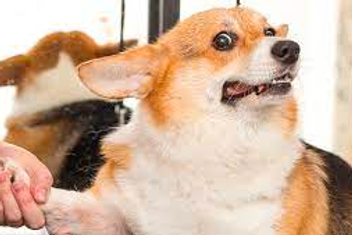
Helping Fearful Dogs Feel Safe Again

What fear looks like. Your dog’s fear is real. While their reaction to something may seem irrational or confusing to us, it feels very real and overwhelming to them. Fear can show up in many ways — hiding, freezing, growling, barking, lunging, or shutting down completely. These behaviors are not your dog being stubborn or difficult; they are signs that your dog is struggling to feel safe.
Why are dogs fearful? Dogs experience fear and anxiety for many different reasons. Prior life experiences, lack of socialization, genetics, trauma, prenatal care, or early developmental experiences can all affect how comfortably a dog is able to navigate the world around them. While our human world may feel normal to us, it can sometimes feel overwhelming and unpredictable for a fearful dog.
Misconceptions about fear. One of the biggest misconceptions about fearful behavior is the idea that dogs simply need to “get over it” through more exposure to the scary thing. Forcing a dog into situations they are terrified of often increases fear and damages trust. Fear is rooted in emotion, and emotional responses cannot be punished or forced away. Methods that use punishment may suppress behavior temporarily, but they frequently make the underlying fear worse.
Every dog has individual needs. Helping a fearful dog takes patience, understanding, and a carefully designed behavior modification plan focused on emotional well-being. Every dog, and human has their own unique needs, which is why I will create a training plan specific to you and your dog. We’ll work together to help your dog feel safe enough to learn, build confidence, and create new positive associations with the world around them. The goal is to not simply stop behaviors, but to help your dog genuinely feel better.
How long will it take? Every dog’s journey is different. Progress depends on many factors, including your dog’s history, environment, genetics, and the severity of their fear. Some dogs improve quickly, while others need more time and support. Lasting behavior change does not happen overnight, but with consistency, compassion, and the right guidance, meaningful improvement is possible. I typically recommend a package of 4-6 sessions for a dog with mild fear and up to 8+ sessions for a dog with extreme fear.
You do not have to navigate this alone. I’ve been there myself – I get it! I had the privilege of living with a wonderful and beautiful fearful dog for 12 years and I understand how this work can be emotionally draining. Working together, we can help your dog feel safer, more confident, and improve the quality of life for both of you.
Coaching
When a dog experiences fear, it is important you are involved in the training process to build trust, establish yourself as a safe harbor, and learn how to recognize and advocate for your dog’s boundaries. Coaching is the best choice if you have a fearful dog. Click option 1 to learn more about this program and pricing.
Because your dog relies on you to help them build safety, trust, and confidence, coaching is often the best option for dogs experiencing fear or anxiety. However, homeschool training may be a good fit for your dog. Click option 2 to see if your dog is a good fit for homeschool training and more about this program.
Homeschool
Consultation
Do you feel overwhelmed with making a training choice? Not sure where to start. Don't see what you need. Do you want to want to dive deep into your fearful dog's behaviors? No problem. A consultation is the right choice for you. Click option 3 to learn more about a consultation and pricing.